
Products
Transmission oil filtration: role, constraints and maintenance best practices
05.10.2026
The transmission holds a strategic place in any machine: it adapts and transfers power from the engine to the working component. Constantly subjected to high mechanical loads and temperature variations, it relies on a discreet but decisive ally: its oil. Yet an oil only protects properly if it stays clean. This is where filtration comes in, determining component service life, equipment availability and control of maintenance costs.
What is a transmission for?
The transmission adjusts speed, torque or direction of travel to deliver usable motion to the working component. A gearbox selects the ratio suited to operating conditions, a reducer lowers speed while increasing torque, a differential distributes the load between two wheels or two shafts, and a hydrostatic transmission uses hydraulic fluid to transmit power between a pump and a hydraulic motor.
It is found in a wide variety of applications: driving the wheels of a car or an industrial vehicle, moving a conveyor, operating a pump, a crusher or a compressor. It is therefore not a single part, but a set of mechanical or hydraulic solutions that allow a machine to use the energy produced efficiently and to guarantee good operating performance.
It is found in a wide variety of applications: driving the wheels of a car or an industrial vehicle, moving a conveyor, operating a pump, a crusher or a compressor. It is therefore not a single part, but a set of mechanical or hydraulic solutions that allow a machine to use the energy produced efficiently and to guarantee good operating performance.
The different types of transmission
Depending on the vehicles and machines, several transmission technologies coexist, each with different operating principles.
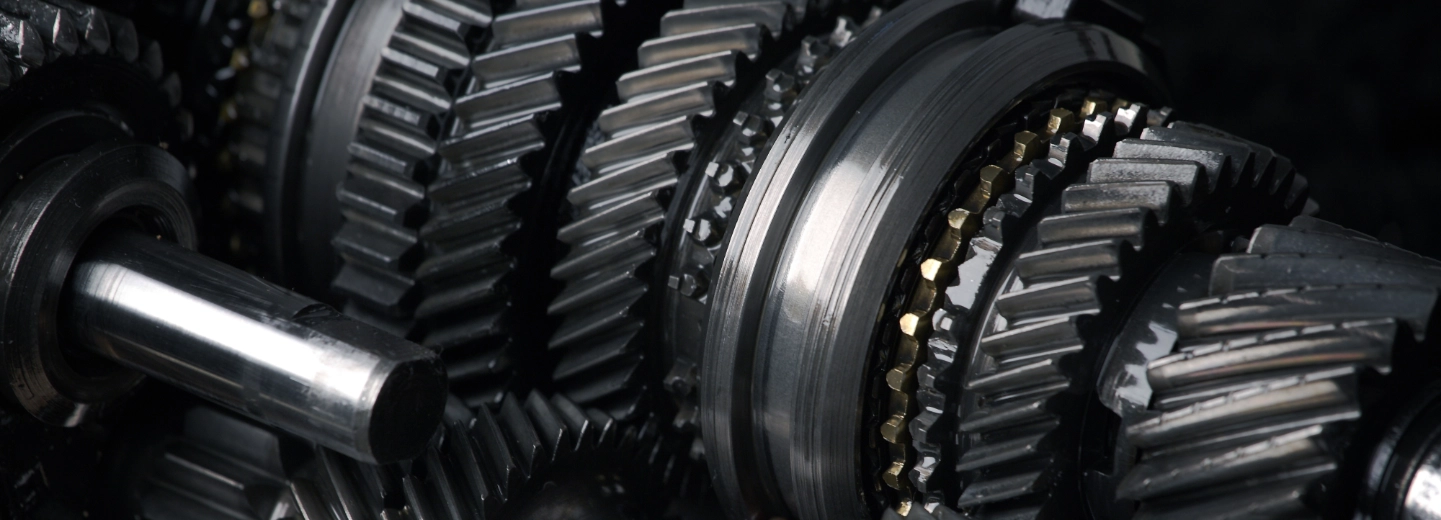
Mechanical transmissions transmit power through mechanical parts: gears, shafts and clutches. This is the principle found in manual gearboxes, axles and reducers, among others.
Automatic and Powershift transmissions also use gears, but gear changes are automated. Multi-disc clutches, generally hydraulically controlled, allow shifting from one ratio to another without direct input from the driver. Some automatic gearboxes also use a torque converter to transmit power.
Hydrostatic transmissions operate on a different principle: power is transmitted by a pressurised fluid between a pump and a hydraulic motor. This allows speed to be varied smoothly and continuously. It is found in particular on many construction machines, agricultural machinery and material handling equipment.
Mechanical transmissions transmit power through mechanical parts: gears, shafts and clutches. This is the principle found in manual gearboxes, axles and reducers, among others.
Automatic and Powershift transmissions also use gears, but gear changes are automated. Multi-disc clutches, generally hydraulically controlled, allow shifting from one ratio to another without direct input from the driver. Some automatic gearboxes also use a torque converter to transmit power.
Hydrostatic transmissions operate on a different principle: power is transmitted by a pressurised fluid between a pump and a hydraulic motor. This allows speed to be varied smoothly and continuously. It is found in particular on many construction machines, agricultural machinery and material handling equipment.
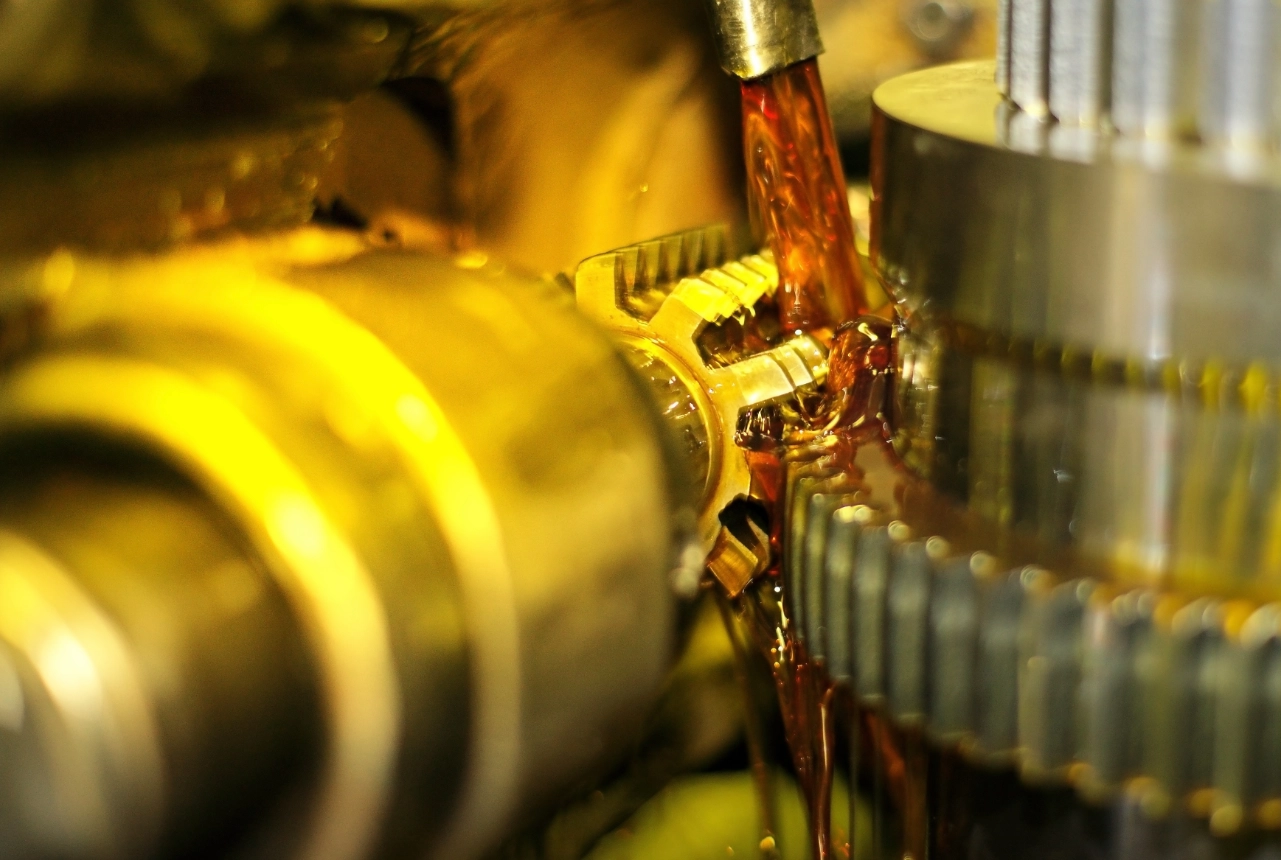
The role of oil in a transmission
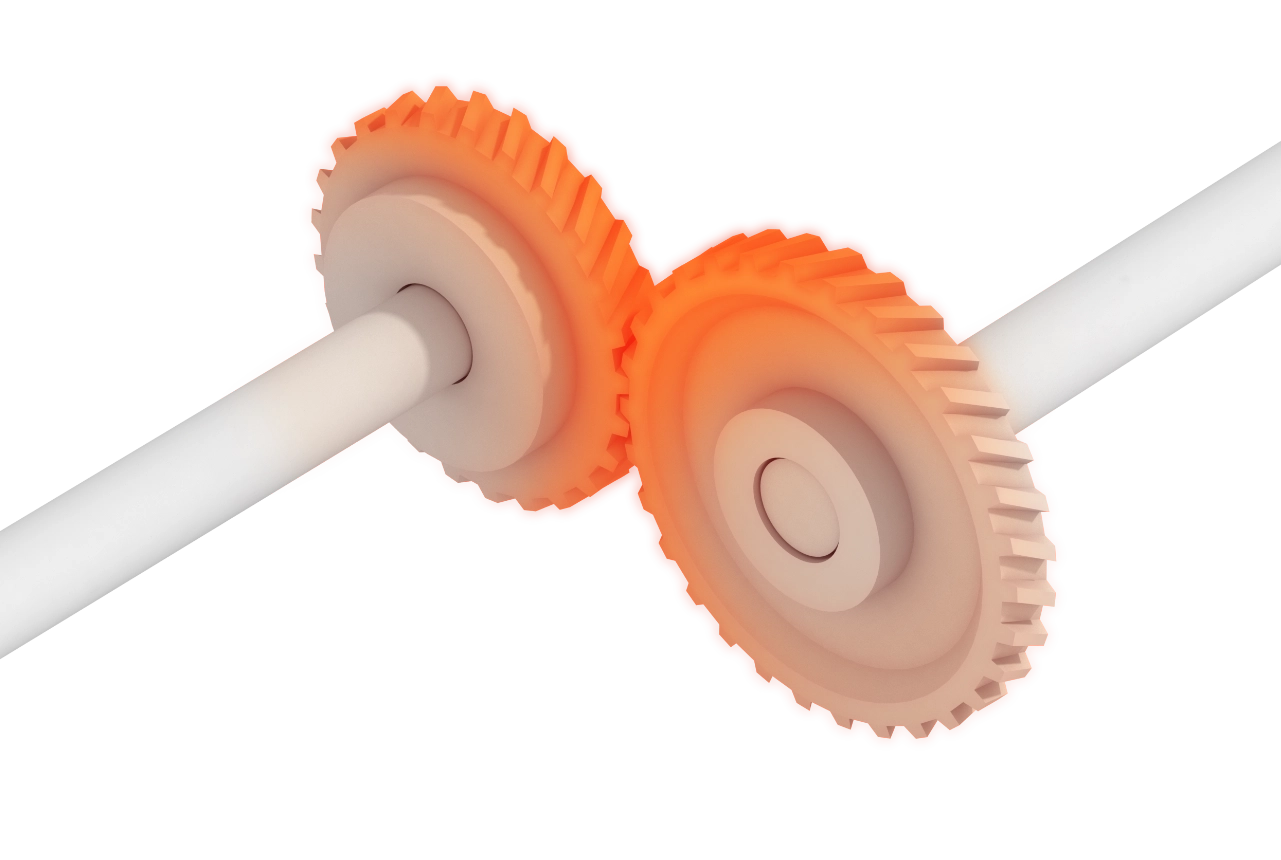
Components subjected to heavy stresses
Filtration, guarantor of fluid cleanliness
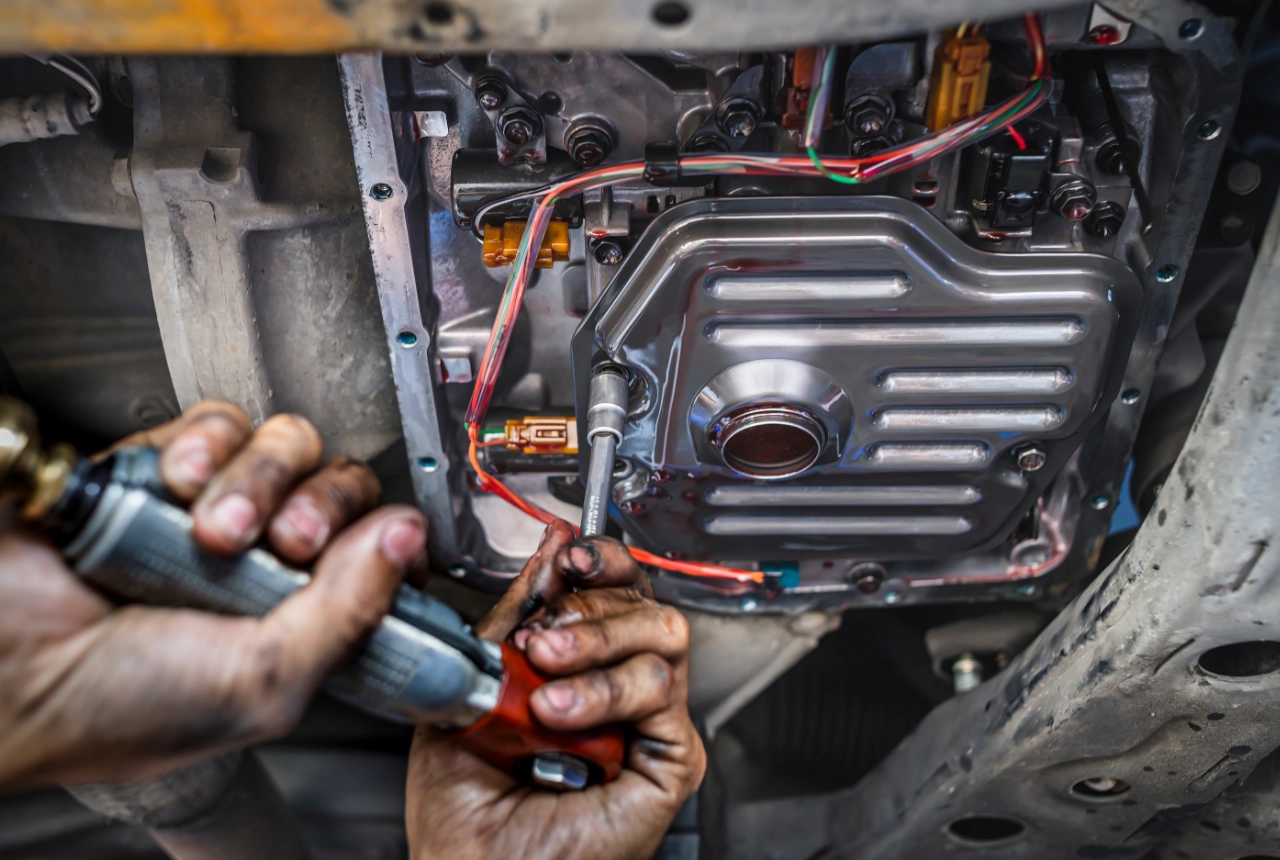
When and how should a transmission filter be replaced?
“The transmission is often one of the most expensive components of a machine. A failure can lead to several days of downtime, premature component failure and repair costs out of all proportion to the cost of regular maintenance. Acting upstream on fluid cleanliness means choosing a preventive rather than corrective approach and protecting the availability of your equipment.“
Warning signs to watch for
Certain symptoms may reveal a problem with the transmission or its filtration circuit: slower or irregular gear shifts, jerks, unusual noises, excessive heating, reduced performance or an abnormal presence of particles in the oil.
These signs should prompt a quick search for the cause: checking the condition of the fluid, the filter and, more broadly, the transmission circuit. On systems fitted with a clogging indicator or a pressure sensor, an alert may also signal that a check is needed.
These signs should prompt a quick search for the cause: checking the condition of the fluid, the filter and, more broadly, the transmission circuit. On systems fitted with a clogging indicator or a pressure sensor, an alert may also signal that a check is needed.
HIFI FILTER, your partner in transmission filtration
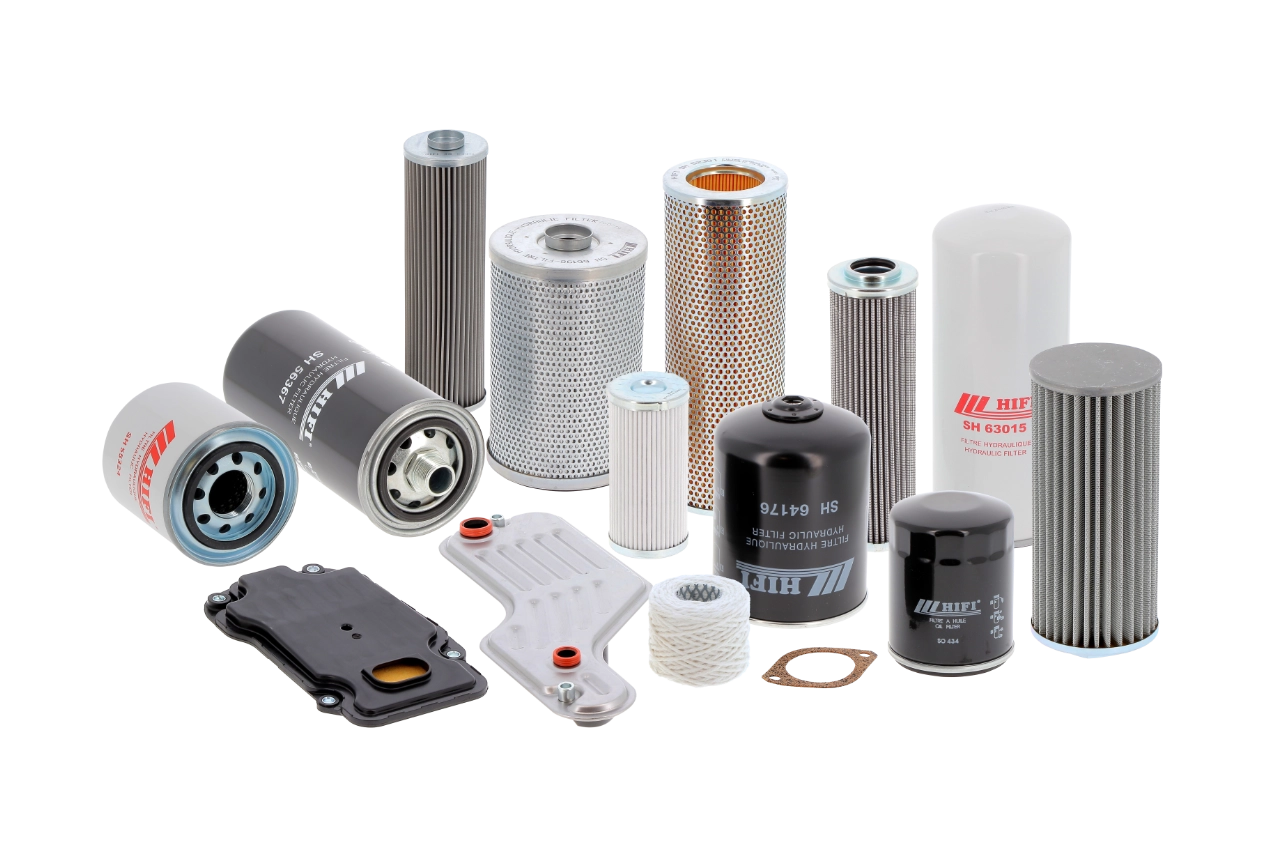
HIFI FILTER® offers a wide range of solutions for all categories of transmission systems: oil filters, hydraulic filters, breather filters, strainers and filler filters, with proven field performance.
Our teams support you in choosing the part number suited to your equipment, taking your specific constraints into account, and guarantee available stock and controlled delivery times. Contact us for any technical question.
Our teams support you in choosing the part number suited to your equipment, taking your specific constraints into account, and guarantee available stock and controlled delivery times. Contact us for any technical question.