

Products
Products
How filtration protects the key components of a wind turbine
03.07.2026
In the wind power sector, equipment reliability is a major issue. It directly affects production continuity, component service life, maintenance cost control and overall energy performance. However, a wind turbine operates in a demanding environment where wind, humidity, dust, temperature variations and even salt-laden air can weaken systems, mechanical elements, sensitive parts and electrical components over time.
How does a wind turbine work?
A wind turbine converts wind energy into electricity. When the wind meets the blades, it creates a force that sets them in motion. These blades are not simple flat surfaces: their profile is designed like an aircraft wing. Their aerodynamic design creates a pressure difference between the two sides of each blade, generating lift and driving rotor rotation.
The blades are connected to a hub, which is itself connected to the rotor. This rotation is the first stage in energy production and the starting point of turbine operation.
The nacelle, located at the top of the tower, houses the main technical components. On a modern onshore wind turbine, it can be around 100 metres high, with a rotor sometimes exceeding 120 metres in diameter. These dimensions, combined with the foundations, installation, turbine design and wind data measurement, make it possible to capture steadier winds and increase energy production.
Inside, rotor movement is transmitted to a generator. Depending on the technology used, this transmission can be direct or pass through a gearbox, also called a speed multiplier. This gearbox increases the rotational speed before it reaches the generator, which then converts mechanical energy into electrical energy. This electricity is then adapted by various power equipment before being fed into the grid.
The blades are connected to a hub, which is itself connected to the rotor. This rotation is the first stage in energy production and the starting point of turbine operation.
The nacelle, located at the top of the tower, houses the main technical components. On a modern onshore wind turbine, it can be around 100 metres high, with a rotor sometimes exceeding 120 metres in diameter. These dimensions, combined with the foundations, installation, turbine design and wind data measurement, make it possible to capture steadier winds and increase energy production.
Inside, rotor movement is transmitted to a generator. Depending on the technology used, this transmission can be direct or pass through a gearbox, also called a speed multiplier. This gearbox increases the rotational speed before it reaches the generator, which then converts mechanical energy into electrical energy. This electricity is then adapted by various power equipment before being fed into the grid.
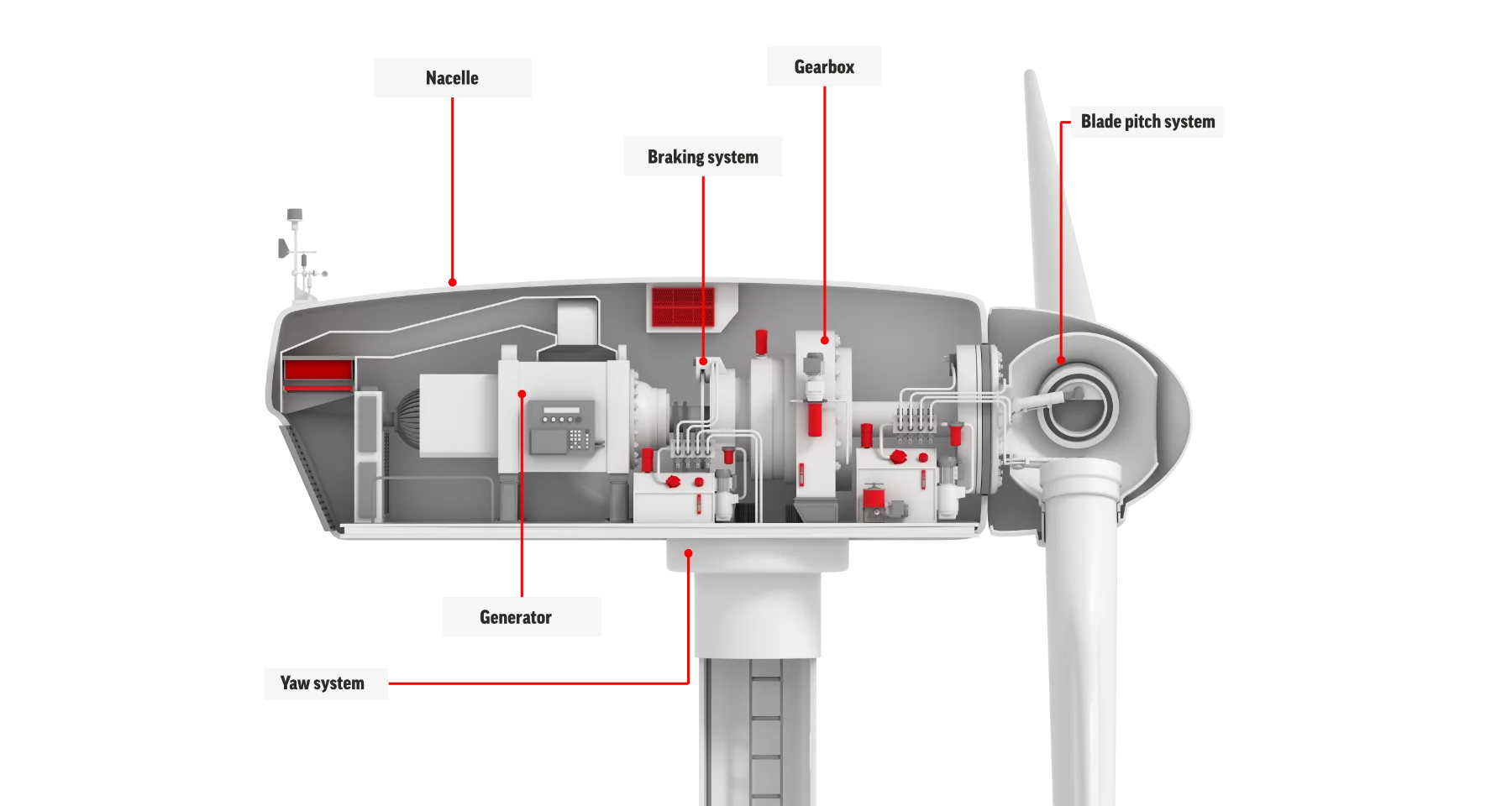
A wind turbine does not always operate at the same pace. It generally starts producing when the wind reaches around 3 to 4 m/s (14.4 km/h). It then adjusts its power according to the data transmitted by the sensors and can switch to safety mode when the wind speed becomes too high, around 25 m/s (90 km/h) depending on the model. During operation, the rotor generally turns between 10 and 25 revolutions per minute: speeds that seem moderate, but are associated with significant mechanical loads given the size of the blades. At their tips, these blades can even reach speeds above 55.5 m/s (200 km/h) on large wind turbines. On average, a wind turbine rotates around 80% of the time, but its production varies according to wind strength.
To support these variations, several systems operate continuously inside the nacelle. The yaw system positions the machine facing the wind. The brakes ensure stopping and safety. Lubrication circuits protect gears and bearings. Cooling devices remove the heat produced by the generator, gearbox, alternator or power electronics.
Within this set of functions, filters and filter elements naturally have their place. They are not at the centre of electricity production, but they help maintain the right operating conditions for the wind turbine, nacelle, turbine and main systems.
Within this set of functions, filters and filter elements naturally have their place. They are not at the centre of electricity production, but they help maintain the right operating conditions for the wind turbine, nacelle, turbine and main systems.
Why protect internal components?
Filtration
A driver of performance
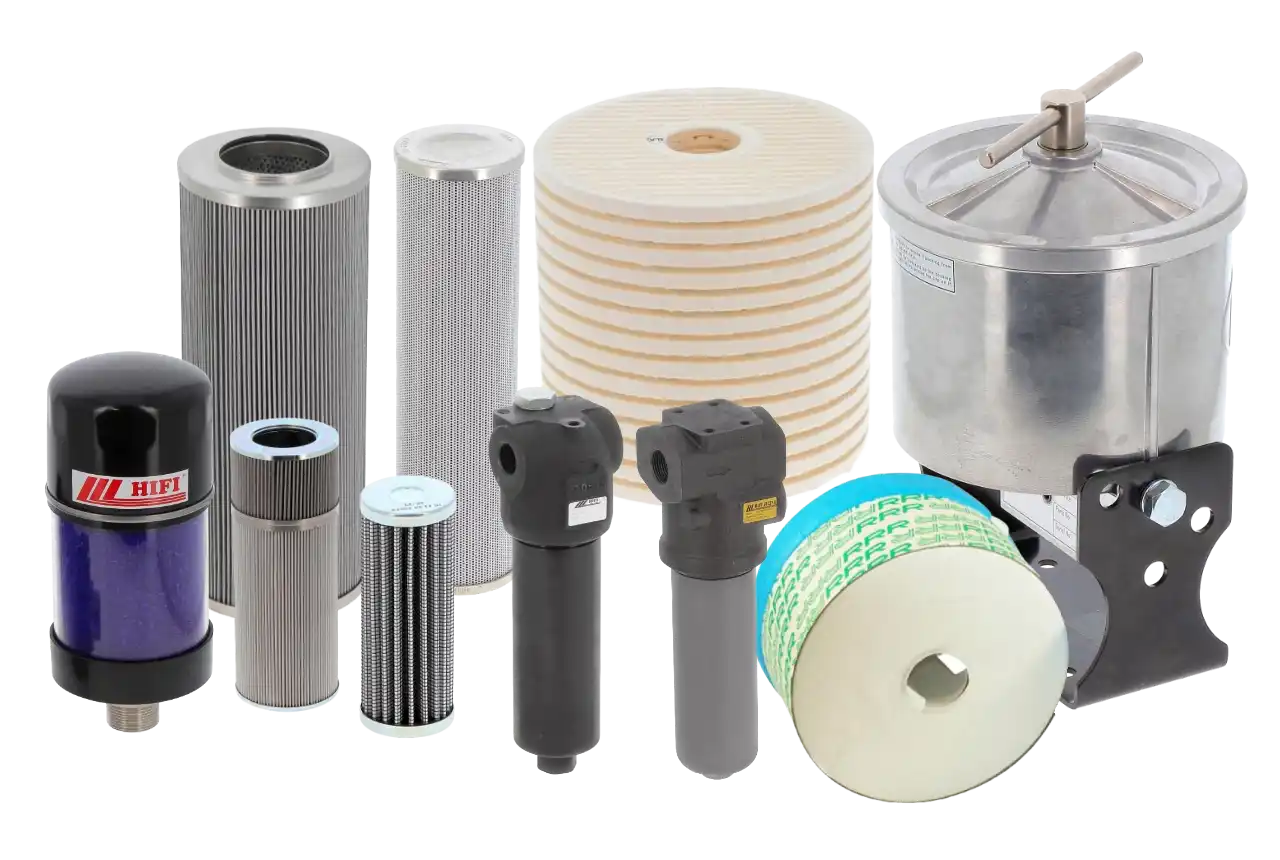
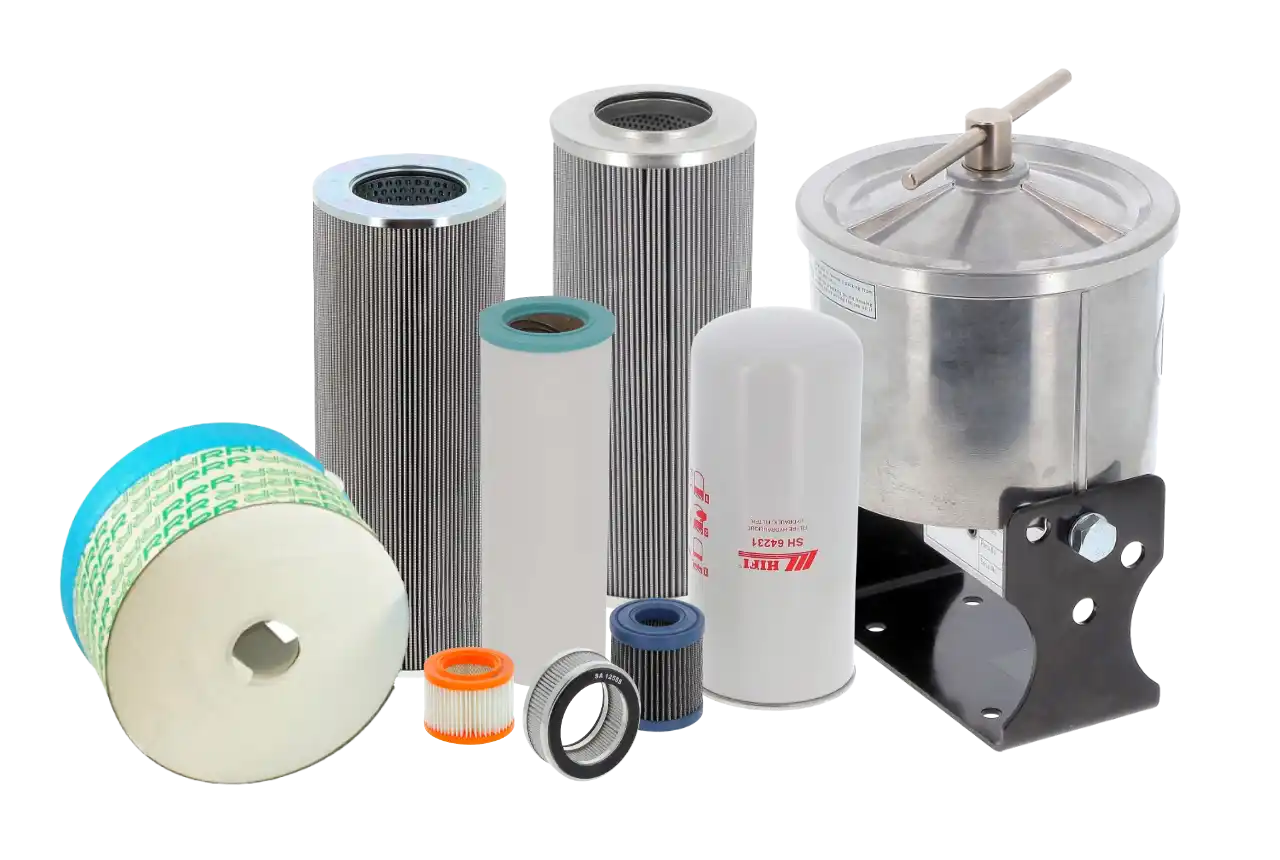
Filtration contributes to the overall balance of the machine: clean oil protects the gears, filtered air limits deposits on electrical components, clean hydraulic oil supports control precision and reliability, and a better-protected reservoir limits moisture ingress. This protection is mainly found in several filtration families: lubrication oil, hydraulic oil, air, cooling and reservoirs. These needs translate into different types of filters, air filters, hydraulic filters and filter elements, each associated with a specific wind turbine function.
Filtration for hydraulic systems
Ventilation filtration
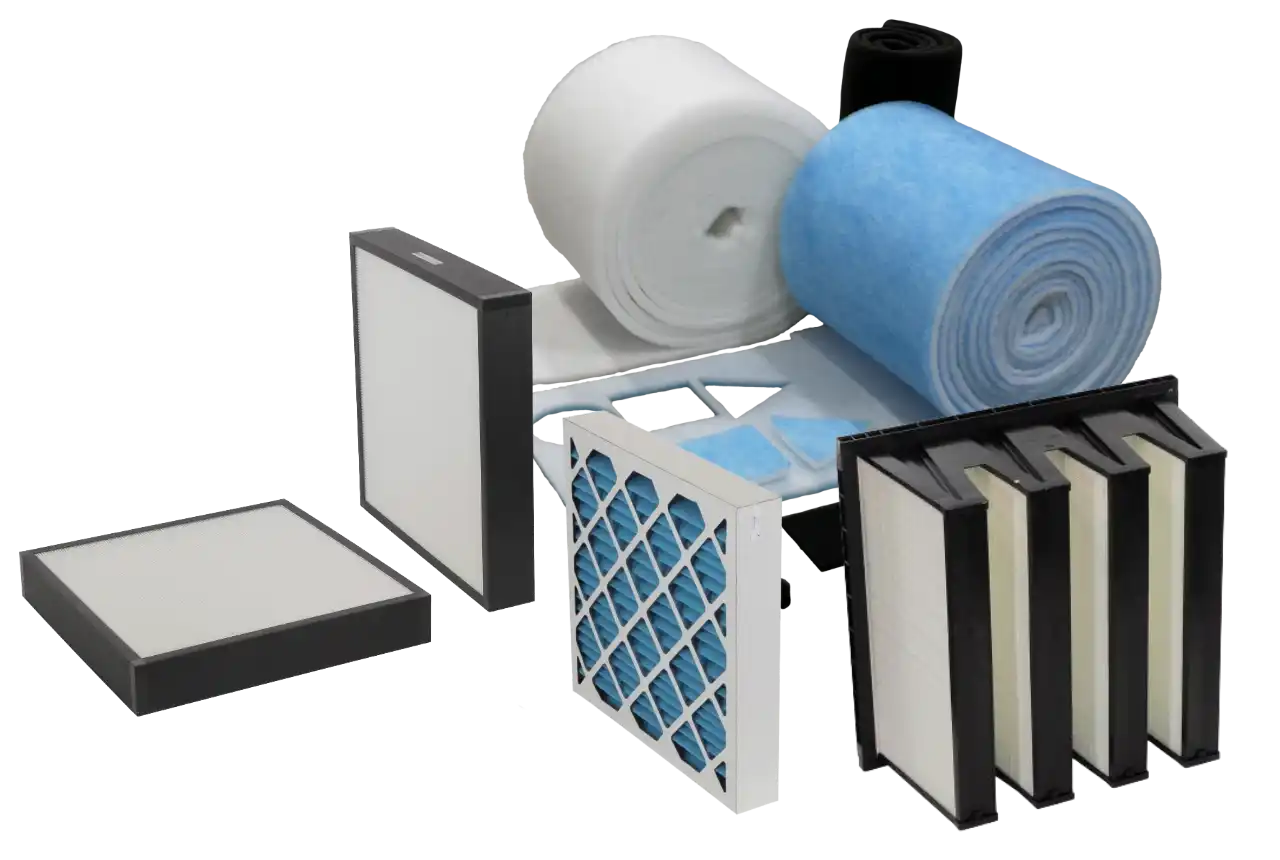
Transmission filtration
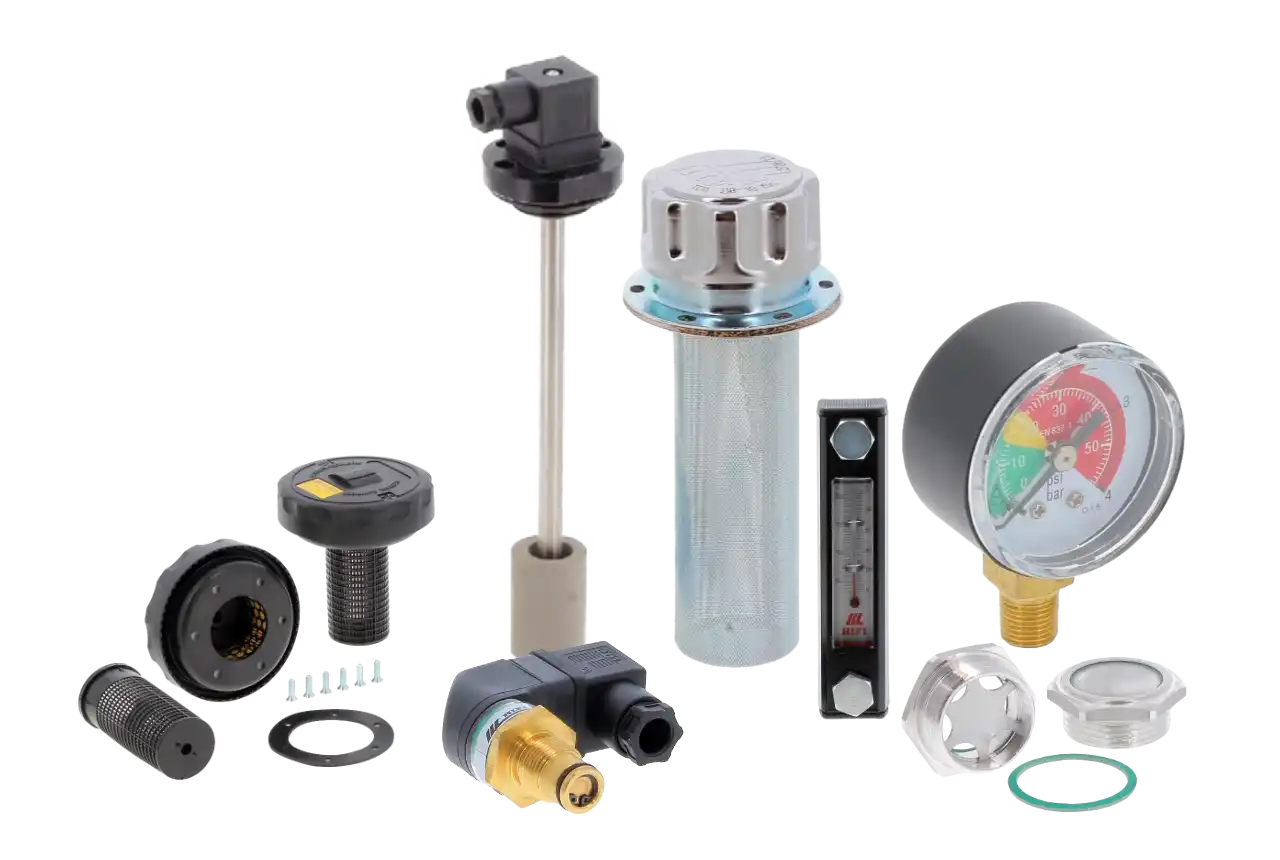
Filtration accessories
A single partner for all filtration needs
At HIFI FILTER®, all filtration solutions dedicated to the wind power environment are brought together. From the hydraulic systems found inside wind turbines to HVAC installations and lubrication systems, equipment protection is addressed globally in order to preserve systems, secure their operation and provide long-term support for wind power projects.